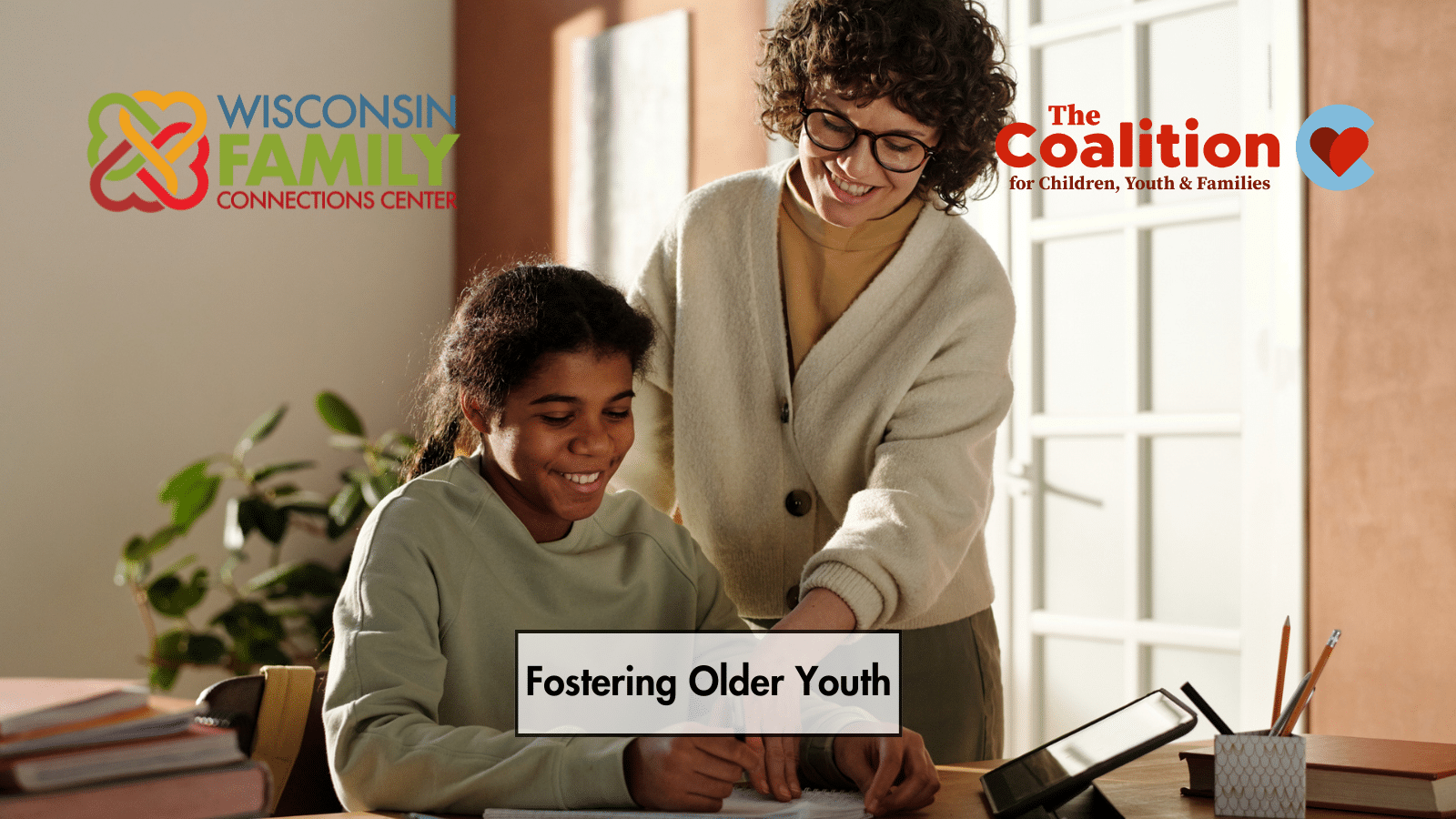
Fostering Older Youth
Fostering Older Youth in Wisconsin
Unlock the Potential of Fostering Older Youth: A Guide to Making a Difference
Are you ready to make a lasting impact in a young person’s life? The “Fostering Older Youth” guide from the Wisconsin Family Connections Center is your essential resource. This comprehensive tip sheet delves into the unique challenges and incredible rewards of fostering teens and older youth.
Older youth in foster care are looking for one thing above all—hope. As a foster parent, you have the power to provide that hope and make a lasting difference in a young person’s life. Fostering older youth may seem intimidating, but it can be one of the most rewarding and transformative experiences for both the youth and the caregiver.
Discover how you can provide hope and stability to teens navigating the complexities of foster care. Learn about the developmental needs of older youth and how you can support their journey toward independence and adulthood. With practical advice, real-life stories, and a wealth of resources, this guide is a must-read for anyone considering fostering older youth.
Understanding the Needs of Older Youth in Foster Care
Many prospective foster parents worry about the challenges of fostering teens. The truth is, teens in foster care face unique emotional and developmental experiences that can make connecting with them both complex and deeply meaningful.
Balancing Independence and Connection
The teenage years naturally bring a desire for independence, decision-making, and autonomy. yet, youth in foster care often lose control over major parts of their lives as others make choices for them. This can create frustration, confusion, and mistrust.
By offering openness, compassion, and consistency, foster parents can provide a stable environment that allows teens to rediscover trust and hope. Being mindful of these developmental contradictions can help caregivers connect and support youth through their transition to adulthood.
Why Fostering Older Youth Matters
Every teen deserves someone who believes in them, listens to them, and supports them as they build their future. There are many reasons to consider fostering an older youth:
- To guide and support a teen experiencing difficult circumstances through no fault of their own.
- To help a youth feel seen, heard, and valued when they have little control in other parts of their life.
- To help them discover healthy relationships and community connections.
- To affirm their strengths and encourage them to explore who they are and who they want to become.
- To build essential life skills that prepare them for adulthood.
- To provide safety, stability, and belonging during a critical stage of growth.
- To experience the joy of learning a teen’s interests, dreams, and passions.
When Fostering Teens Feels Challenging
Fostering older youth can come with ups and downs. The teenage years are a time of learning through trail and error, and some mistakes are part of healthy growth. As one foster parent shared, “You have to just kind of let go. I’m not saying don’t have rules and enforce them. I’m saying these kids deserve to live as ‘normal’ a teenage life as their peers do—to really thrive—and sometimes that means messing up.”
Helping a teen grow into a responsible, confident adult means offering patience, boundaries, and understanding.
Key Skills for Fostering Older Youth
Strong foster parents of older youth often build and practice these skills:
- Active listening and open communication
- Healthy boundary setting
- Willingness to explore the youth’s interests
- Advocacy and support for youth needs
- Patience and flexibility
Beyond the Teen Years
Every year, many youth in Wisconsin age out of the foster system without lasting family connections. By fostering an older youth, you can be that connection—helping them build a foundation of trust and support that extends into adulthood.
Strong relationships with supportive adults reduce the likelihood of substance use, legal issues, and academic struggles. Most importantly, they provide belonging, stability, and the confidence to thrive.
When you foster an older youth, you may not see their first steps—but you may see them take their first steps into adulthood with hope for the future.
Resources for Fostering Older Youth
Explore more resources to help you on your fostering journey below.
Tip Sheets
Supporting Teens Leaving Care: Resources & Guidance for Foster Parents
It’s All in the Family: Establishing Household Rules
Foster Parents and Social Workers: Allies and Advocates for Youth in Care
Not Too Old for Forever: Adopting an Older Youth
Being an Ally for LGBTQ+ Youth
From the Resource Library
I Will Never Give Up, by Derek Clark
From Foster Care to College, by Youth Communication
Parenting Without Panic: A Pocket Support Group for Parents of Children and Teens on the Autism Spectrum, by Brenda Dater
It Happened to Me — Adopted: The Ultimate Teen Guide, by Suzanne Buckingham Slade
And Still I Rise: Foster Teens Going to College, by Youth Communication
Fostering Across Wisconsin Newsletter: Encouraging and Supporting Tweens and Teens in Care
Find Training From
Erasing the Belonging Gap Within Schools
Building Relationships with School-Age Children and Teens
Strategies for Builder Stronger Relationships with Teens
Find Inspiration & Hope From
Additional Resources
Author and Motivation Speaker Derek Clark’s personal website
Why Download This Guide?
- Invaluable Insights: Understand the developmental contradictions teens face and how to connect with them effectively.
- Real Stories: Get inspired by real-life experiences of foster parents who have made a difference.
- Practical Tips: Learn essential skills like active listening, setting healthy boundaries, and advocating for youth.
- Supportive Resources: Access a curated list of books, training, and additional resources to help you succeed.
Download PDF
Author: Wisconsin Family Connections Center
Additional Author: Coalition for Children, Youth & Families